Thoughts on Hypertension

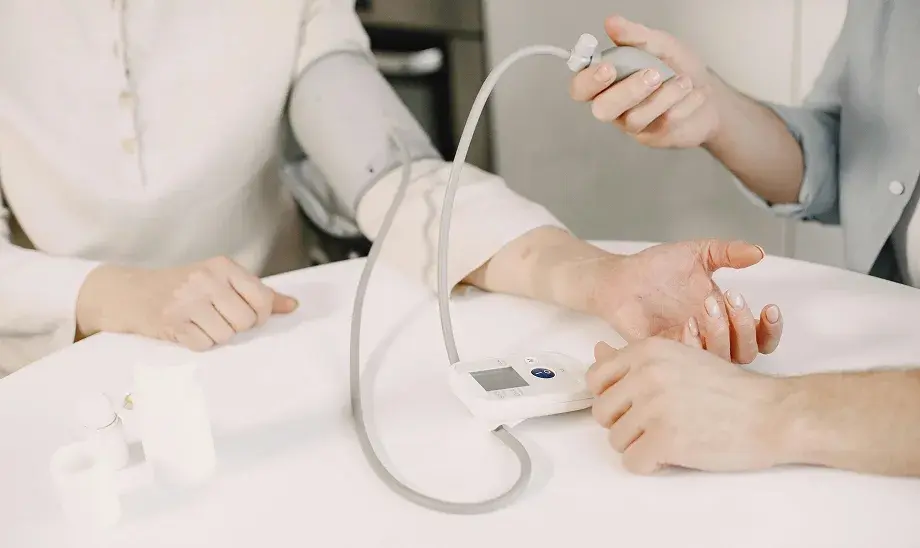
High blood pressure, also known as hypertension, is a condition where the force of the blood against the walls of your arteries is consistently too high. This can put extra strain on your heart and blood vessels, leading to serious health problems like heart disease, stroke, and kidney damage over time.
When we measure your blood pressure, we use two numbers: the systolic pressure and the diastolic pressure.
1. **Systolic Pressure (Top Number)**: This is the first or top number in your blood pressure reading. It represents the pressure in your arteries when your heart beats and pushes blood out into the body. Think of it as the peak pressure when the heart is actively pumping. A normal systolic pressure is usually less than 120 mmHg.
2. **Diastolic Pressure (Bottom Number)**: This is the second or bottom number in your blood pressure reading. It represents the pressure in your arteries when your heart is resting between beats, refilling with blood. It’s the lowest pressure in the arteries. A normal diastolic pressure is usually less than 80 mmHg.
Understanding the Numbers:
- Normal Blood Pressure: Less than 120/80 mmHg
- Elevated Blood Pressure: 120-129/<80 mmHg
Hypertension (High Blood Pressure):
- Stage 1: 130-139/80-89 mmHg
- Stage 2: 140 or higher/90 or higher mmHg

Why Is It Important?
High blood pressure means your heart has to work harder than normal to pump blood through your body. Over time, this extra work can cause your heart to become thicker and less efficient. The high pressure can also damage the walls of your arteries, making them more likely to become narrowed or blocked, which can lead to heart attacks or strokes.
What You Can Do:
- **Lifestyle Changes**: Eating a healthy diet, reducing salt intake, exercising regularly, maintaining a healthy weight, and managing stress can all help lower blood pressure. - **Medications**: Sometimes, lifestyle changes alone aren’t enough, and your doctor may prescribe medication to help control your blood pressure.
Regular monitoring of your blood pressure is key to managing and preventing complications related to hypertension. If you have any concerns about your blood pressure readings, discussing them with your healthcare provider is important.
Exercise and emotional regulation play significant roles in maintaining healthy blood pressure and overall cardiovascular health. Here's how they positively affect your blood pressure:
**Exercise:**
Regular physical activity has numerous benefits for your heart and blood vessels, which directly impacts your blood pressure:
**Strengthens the Heart:** Exercise makes your heart stronger, so it can pump more blood with less effort. When your heart works more efficiently, the force on your arteries decreases, which lowers your blood pressure.
**Reduces Blood Vessel Stiffness:** Exercise helps keep your blood vessels flexible and promotes better blood flow. This reduces the resistance your heart must overcome to pump blood, leading to lower blood pressure.
**Weight Management:** Regular exercise helps you maintain a healthy weight or lose excess weight. Being overweight is a risk factor for high blood pressure, so weight loss can have a significant impact on lowering your blood pressure.
**Reduces Stress Hormones:** Physical activity reduces levels of stress hormones like adrenaline and cortisol, which can cause temporary spikes in blood pressure. Over time, regular exercise can help your body handle stress more effectively, leading to more stable blood pressure levels.
**Promotes Healthy Habits:** People who exercise regularly are more likely to engage in other heart-healthy behaviors, such as eating a balanced diet and not smoking, which further helps in controlling blood pressure.
**Emotional Regulation:**
Emotional regulation involves managing your emotions in a healthy way, which can have a positive impact on blood pressure:
**Reduces Stress:** Chronic stress can cause your blood pressure to spike temporarily and, over time, contribute to long-term high blood pressure. Learning how to manage stress through techniques like mindfulness, deep breathing, or meditation can help keep your blood pressure under control.
**Decreases the Risk of Hypertension:** Poor emotional regulation can lead to unhealthy coping mechanisms like overeating, smoking, or alcohol use, all of which can raise blood pressure. By managing your emotions better, you reduce the likelihood of turning to these habits.
**Improves Heart Rate Variability:** Good emotional regulation can improve heart rate variability (HRV), which is the variation in time between each heartbeat. Higher HRV is associated with better cardiovascular health and lower blood pressure.
**Prevents Emotional Triggers:** Anger, anxiety, and frustration can cause your blood pressure to rise suddenly. By developing skills to calm yourself and manage these emotions, you can prevent these spikes in blood pressure.
**Enhances Overall Well-Being:** Emotional well-being contributes to better sleep, healthier relationships, and a more positive outlook on life—all of which can lead to lower blood pressure.
**Conclusion:**
Incorporating regular exercise and practicing emotional regulation techniques can be powerful tools in controlling and lowering blood pressure. These lifestyle changes not only improve your cardiovascular health but also enhance your overall quality of life. If you're considering starting an exercise routine or need help with stress management, it's a good idea to talk to your healthcare provider for personalized advice.
Comments