History of Cocaine Epidemic

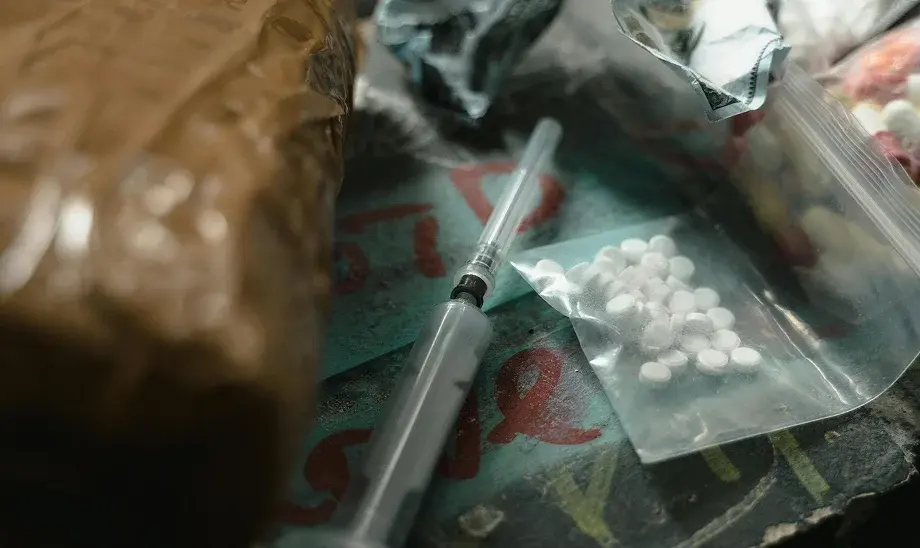
The cocaine epidemic of the 1980s and 1990s was a major public health crisis in New York City (NYC). Cocaine had been a popular recreational drug for decades, but the introduction of crack cocaine in the early 1980s led to an unprecedented surge in use and addiction. The epidemic affected all aspects of life in NYC, from crime rates to the healthcare system.
The arrival of crack cocaine in NYC in the early 1980s was a game-changer. Unlike powdered cocaine, which was expensive and mostly used by wealthy people, crack was cheap and highly addictive. It could be smoked, which made it easy to use and more accessible to a wider range of people. It quickly became a drug of choice for many in impoverished communities, who saw it as a way to escape the harsh realities of their lives.
The use of crack cocaine skyrocketed in NYC during the mid-1980s. According to a report by the National Institute on Drug Abuse (NIDA), the number of people using cocaine in NYC increased from 250,000 in 1984 to 500,000 in 1987. During this time, the city saw a significant rise in crime, including drug-related offenses such as theft and violence.
The cocaine epidemic also had a major impact on the healthcare system in NYC. Hospitals and emergency rooms were inundated with patients suffering from cocaine-related problems, such as overdoses, heart attacks, and mental health issues. Many of these patients were uninsured or underinsured, which put a strain on the already-stretched healthcare system.
The epidemic also led to an increase in the transmission of infectious diseases such as HIV and hepatitis C. Injection drug use, which was common among cocaine users, was a major driver of the HIV epidemic in NYC during the 1980s and early 1990s. According to the NYC Department of Health, injection drug use accounted for 54% of all HIV cases in the city between 1981 and 1995.
The cocaine epidemic had a particularly devastating impact on communities of color in NYC. African American and Latino communities were disproportionately affected by the epidemic, both in terms of drug use and its consequences. Many of these communities were already facing high levels of poverty, unemployment, and violence, which made them more vulnerable to the harms of the epidemic.
The city responded to the cocaine epidemic in a number of ways. Law enforcement agencies cracked down on drug-related crime, which led to a significant increase in arrests and incarceration rates. The NYPD's "Operation Pressure Point" was a major initiative to combat drug trafficking and distribution in the city, which resulted in the arrest of thousands of drug dealers.
The healthcare system also responded to the epidemic, with hospitals and clinics offering a range of services to help those struggling with addiction. The city launched several initiatives to expand access to substance abuse treatment and harm reduction services, such as needle exchange programs.
Despite these efforts, the cocaine epidemic continued to ravage NYC for many years. It wasn't until the mid-1990s that the tide began to turn. A combination of factors, including the introduction of new drug treatments and a decrease in the availability of crack cocaine, led to a decline in drug use and addiction rates.
Today, the cocaine epidemic of the 1980s and 1990s is seen as a cautionary tale about the dangers of drug abuse and addiction. It serves as a reminder of the importance of addressing the root causes of drug use, such as poverty, unemployment, and trauma, and providing access to comprehensive, evidence-based addiction treatment and harm reduction services. While NYC has made significant progress in combatting the cocaine epidemic, it remains a major public health challenge, with thousands of people still struggling with addiction and its consequences.

Comments